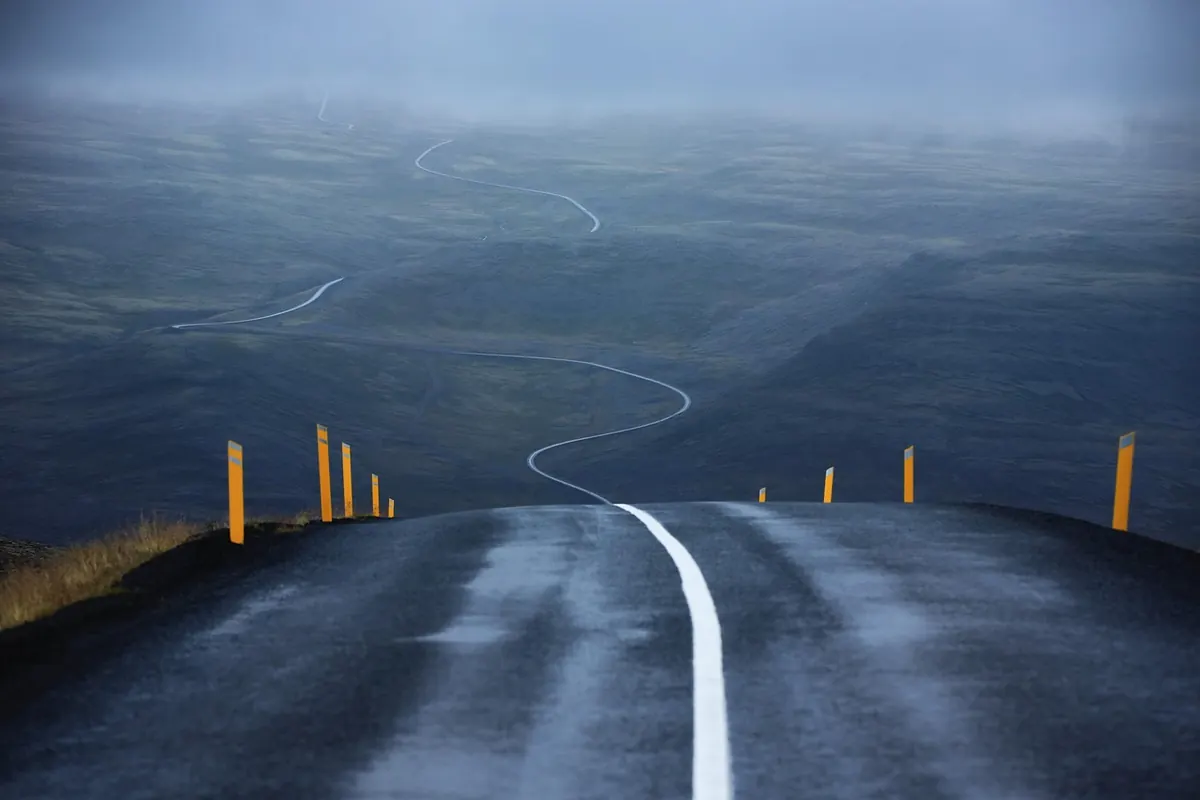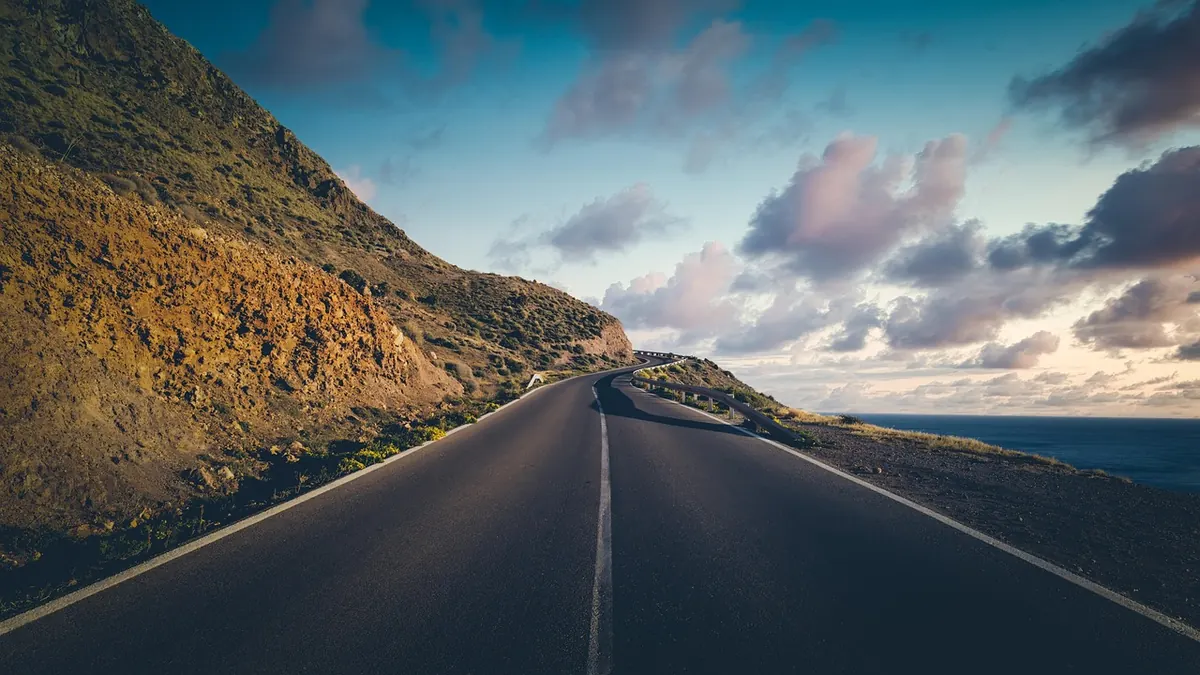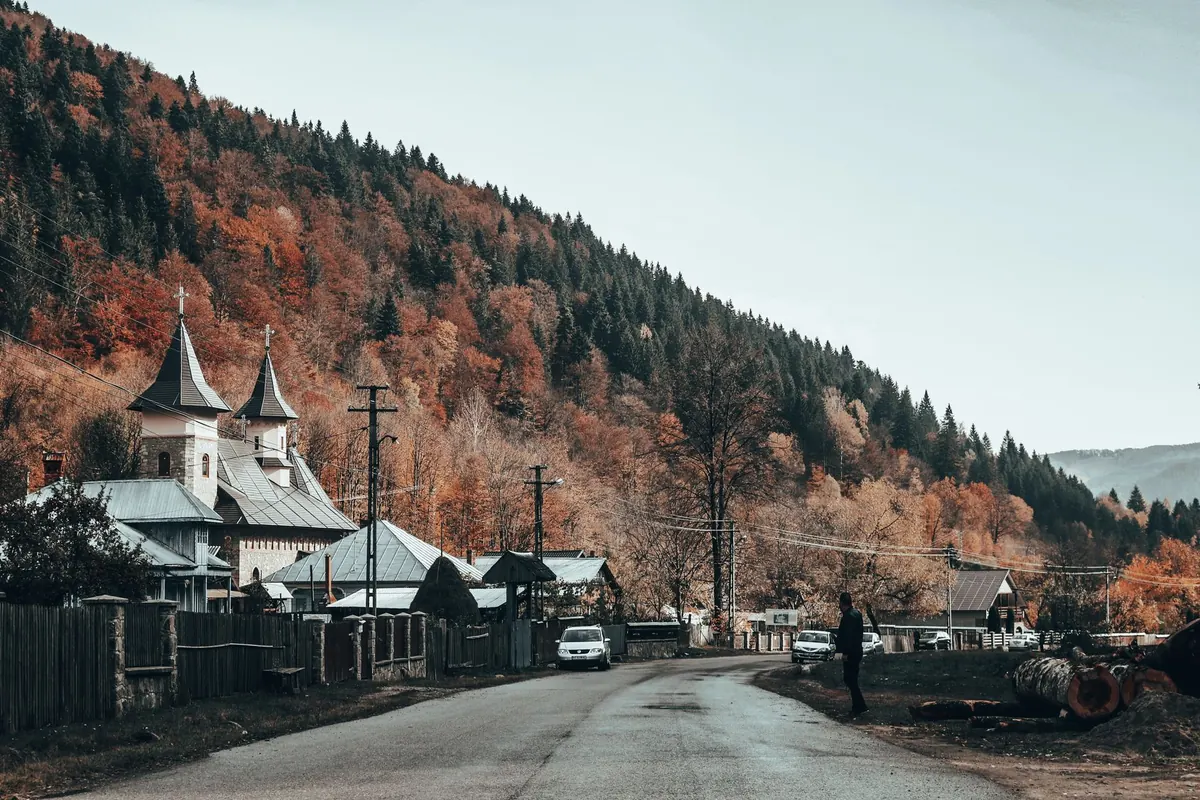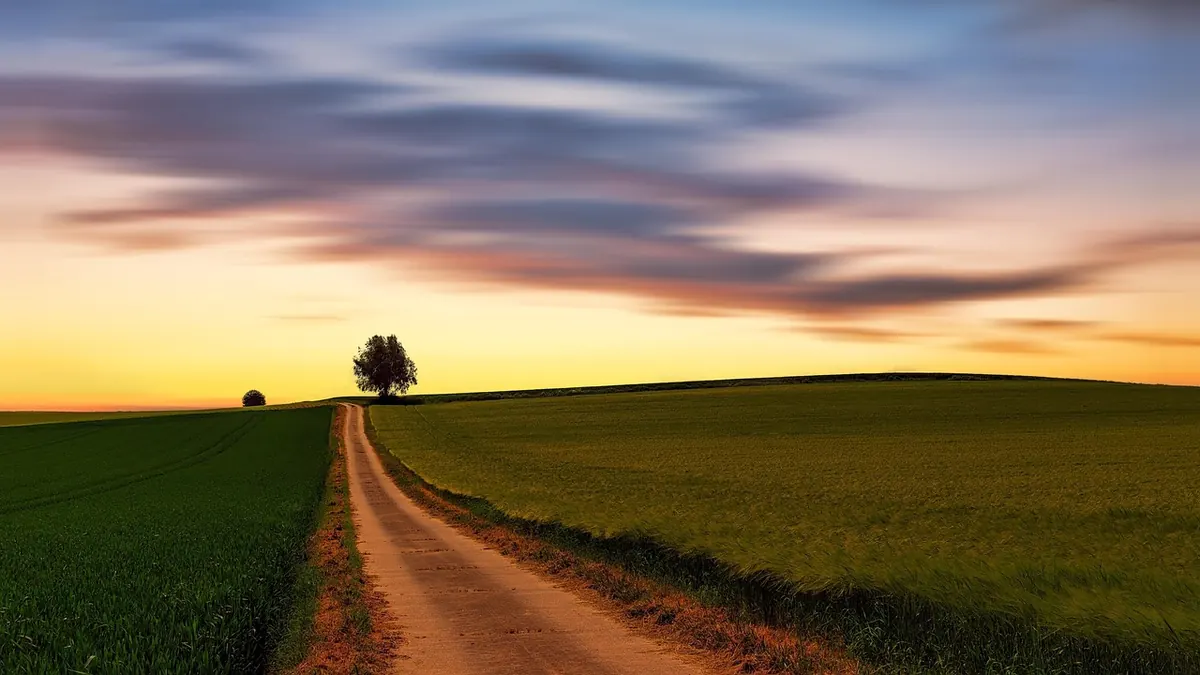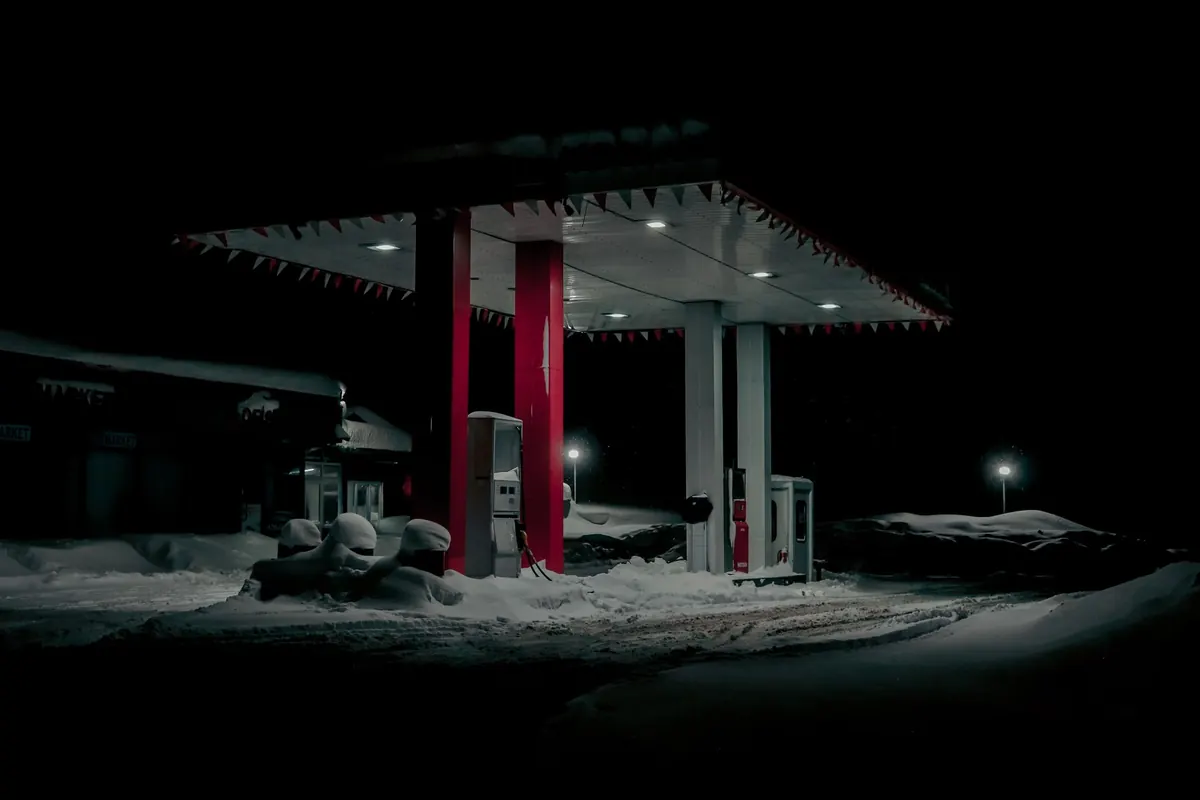
The map shows one thin line and three small dots. The dots are fuel. Between them sits a stretch of country that takes four hours to cross, and nothing to break the drive except a gravel shoulder and the view. Remote routes reward drivers who plan in gaps rather than distances — the space between services is the real unit of measurement out there, whether you're crossing the Australian outback, the Scottish Highlands, the American high desert or a quiet corner of the Balkans.
What follows is the routine used by people who drive these roads often: how to work out fuel, food, water and rest before you leave, and what to do when a plan quietly falls apart at kilometre 180.
Know Your Real Range Before You Trust the Map
The range figure in your head is usually the optimistic one. A loaded car with a roof rack, a headwind, the air conditioning on and a long climb will burn noticeably more than the same car did on an empty motorway run. Gravel and soft surfaces cost you more again.
Get a real number before you need it. Fill the tank to the brim, reset the trip meter, drive normally for a few hundred kilometres, then fill to the brim again and divide the distance by the litres (or gallons) you put in. Do it once on a highway day and once on a loaded day. Use the worse figure for planning.
Then apply the half-tank rule, which is the single most useful habit on remote roads: never let the needle fall below half on a stretch with limited services. A half tank gives you a realistic out-and-back radius if you meet a closed road, a washed-out culvert or an injured animal and have to turn around. It also means an unplanned detour doesn't become a problem.
Learn your gauge's behaviour too. Plenty of cars sit at full for the first 150 kilometres and then drop quickly. Knowing that quirk is the difference between calm and a dry tank on a lonely bend.
The Fuel Checklist: Fill Early, Carry a Little, Never Assume
Remote fuel stops are businesses, not public utilities. They close for lunch, shut at five, run out of diesel, lose their card line in a storm, or simply don't open on Sundays in the low season. Plan around the worst case rather than the brochure.
- Fill at the last reliable station before the gap, even if you're still at three-quarters. Fuel you don't need yet is cheap insurance.
- Write down the next station's opening hours, phone number and payment quirks before you lose signal. Ask at the counter; staff usually know the next town's schedule better than any app.
- Carry both a card and cash. Small unstaffed pumps may take one and not the other.
- Add a 30 percent buffer to the distance between stops. If the gap is 240 kilometres, plan as though it were 310.
- Check tyre pressures, including the spare, before the remote section rather than after. A slow leak in the middle of nowhere turns a four-hour day into a very long one.
- If you carry a jerry can, secure it upright and outside the passenger cabin, and check the local rules on carrying fuel before you travel. Ventilation and proper mounting matter more than capacity.
Food and Water: Build Meals Around Stops That Actually Exist
On remote routes, meals happen where fuel happens. That means lunch is often a roadhouse pie at 11:30 or nothing until dinner, so decide in advance which it will be. Assume the station kitchen stops serving earlier than the sign says.
Pack as though one meal will go missing. A small cooler with something cold, a thermos, bread, fruit, nuts and a bag of something salty covers most situations and costs less than a mediocre roadside lunch. Eat lighter at midday and heavier in the evening; a heavy meal followed by three hours of straight-line driving is a reliable way to feel drowsy at exactly the wrong moment.
Water deserves its own paragraph. Carry more than you think you'll drink, in bottles you can open one-handed, and keep a separate reserve that nobody touches casually. If you break down in a hot place, water is the item that buys you time. Refill at every town with a tap, even when you're still half full.
Bathrooms, Breaks and the Two-Hour Rule
The "rest area" marked on a map is frequently a picnic table, a bin and a view. Treat every toilet opportunity in a town as the last one for a while, and carry your own small kit so a stop doesn't depend on facilities existing: toilet paper, hand sanitiser, a small trowel, sealable bags. Bury or pack out, well away from water.
On breaks, use a simple rule: stop every two hours or 150 kilometres, whichever comes first, and actually get out. Idling in the driver's seat with the engine running doesn't count. Ten minutes of walking, stretching and water resets more than an hour of sitting.
Drowsiness is the hazard that doesn't announce itself. If your eyes feel heavy, pull over somewhere safe and take a short nap — even fifteen minutes helps. Don't try to out-drive it with coffee and loud music. If you're regularly fighting sleep on long drives, that's worth raising with a doctor rather than pushing through.
Put the Whole Plan on One Page
Before you leave, write a single sheet with the day's legs: departure time, distance, fuel in and out, next fuel, water, food, toilets, expected signal coverage, and sunset. Add the phone number of someone who'll notice if you don't arrive.
Download offline maps for the whole corridor, not just the start and end, and pack a paper map as backup. Check road conditions the day before — seasonal closures, fire bans, flooding, snow gates and logging traffic all live outside the navigation app. And plan to arrive before dark. Everything about a remote route gets harder after the light goes.
When the Plan Breaks
It will, eventually. A station is shut, a pass is closed, a tyre is soft. The instinct is to push on to the next maybe-open pump on a low tank. Resist it. Turning back with a comfortable reserve is almost always the better decision, even if it costs you half a day.
Stop, get out of the car, look at the map, recalculate the worst case, and only then move. Two minutes of thinking beats forty kilometres of hoping.
The Day-Before Checklist
- Confirm opening hours and payment methods at every planned fuel stop, including the one after the big gap.
- Note the actual distance between services and add a 30 percent buffer.
- Fill the tank the evening before and check tyre pressures, coolant and washer fluid.
- Pack water for the whole day plus a reserve, and food for one missed meal.
- Assemble the toilet kit, first aid basics, a torch and a warm layer.
- Download offline maps, save the route, and tell someone your plan and arrival time.
- Check road and weather conditions for the corridor, not just your start point.
- Set a hard rule: half tank minimum, break every two hours, arrive before dark.
None of this is complicated, and most of it takes an evening. That's the trade remote roads ask for: a little planning at home in exchange for a day where the only thing you have to think about is the road ahead.
Photo: Beyza Kaplan / Pexels