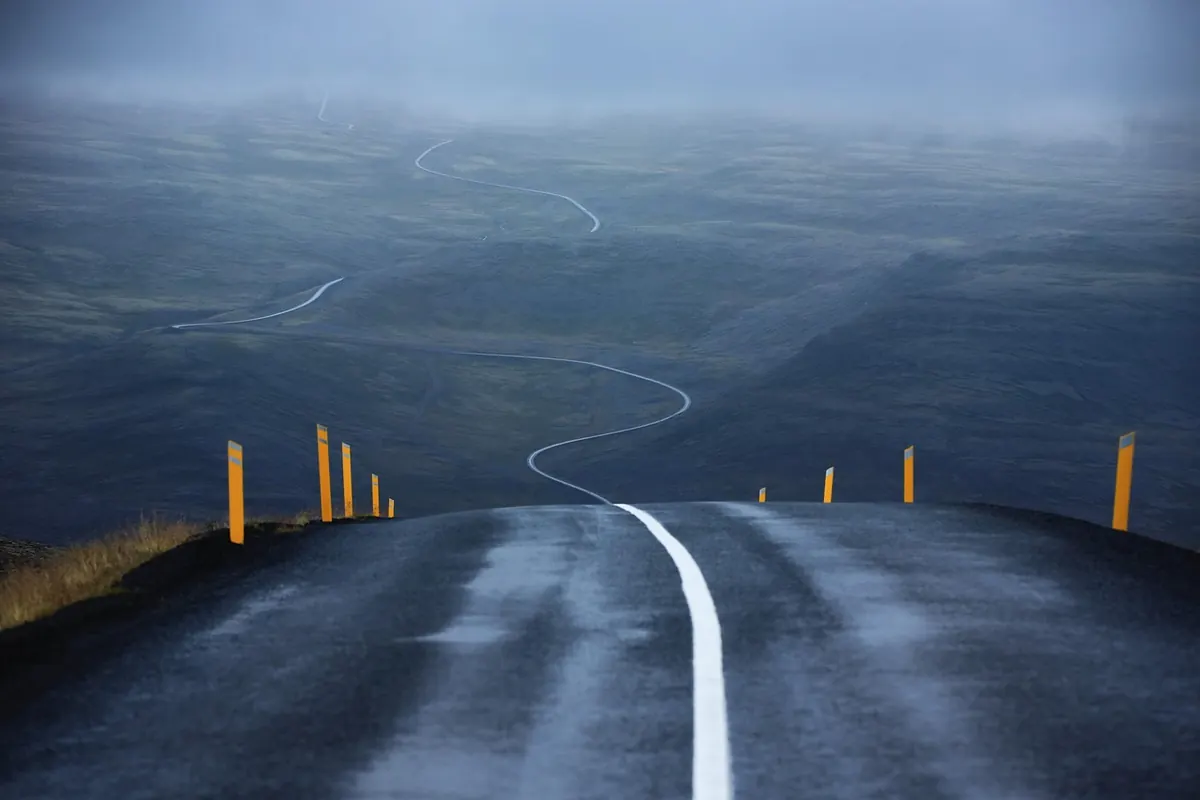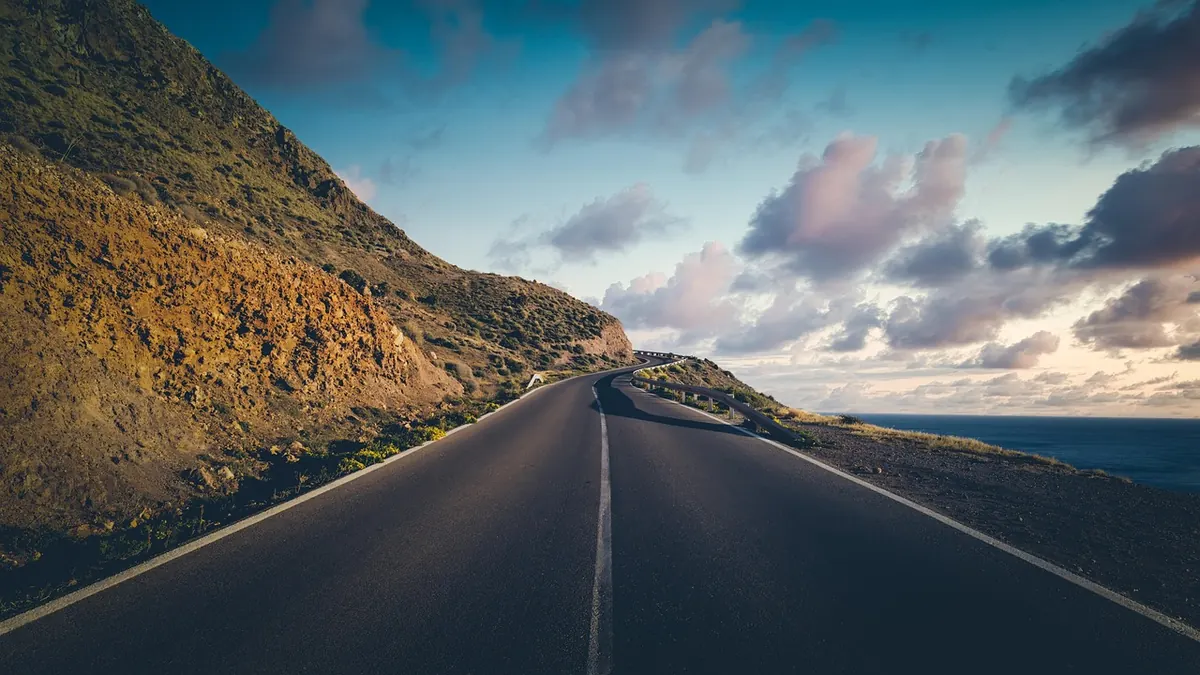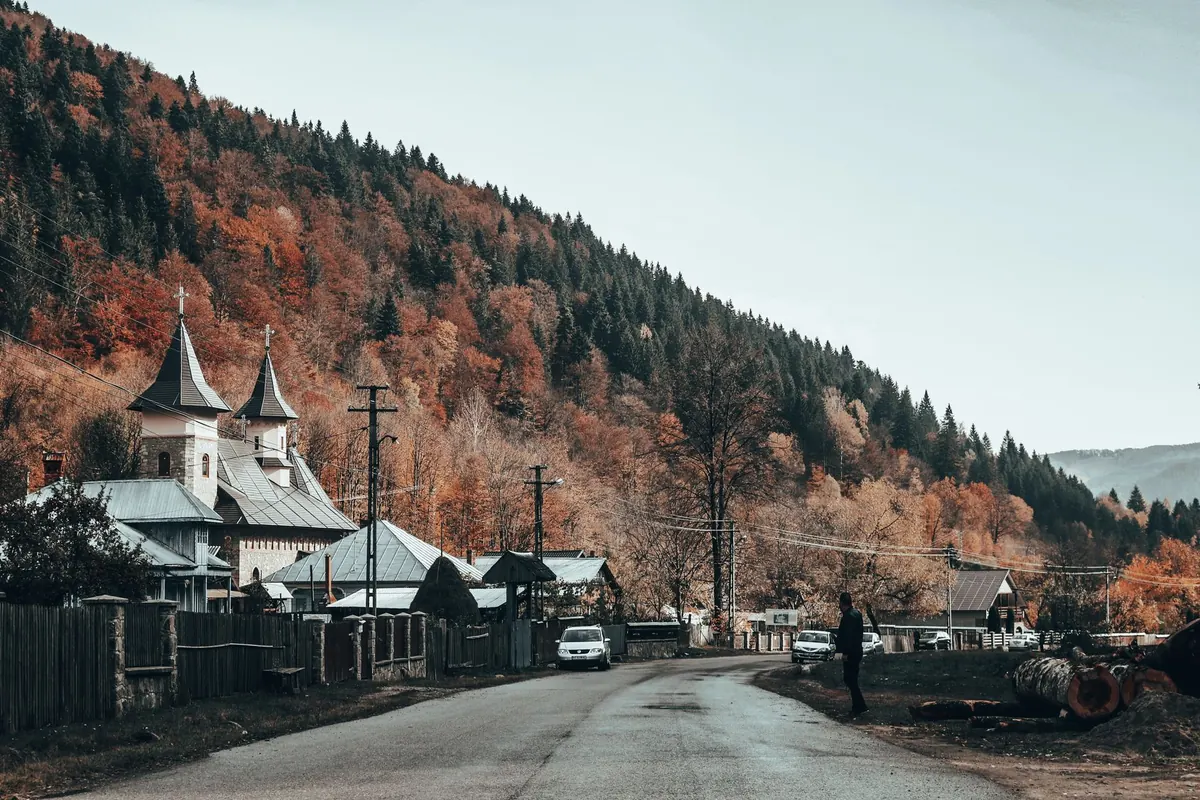
Drive the same mountain pass in April and again in January and you will swear they are two different roads. Spring hands you potholes, mud, and gravel washed across the tarmac. January hands you short days, black ice on the bridges, and a windshield that freezes faster than the defroster can clear it. The vehicle is the same, the route is the same, but the preparation is not, and that gap is where most avoidable trouble starts.
What follows is a practical seasonal checklist. Not a list of things to worry about, but the handful of checks that genuinely change from one season to the next, plus the packing that goes with them. Use it before every long drive and skim it again whenever the weather turns.
Spring: The Road Is Softer Than It Looks
After a winter of freeze and thaw, pavement loses some of its structural nerve. Frost heave lifts slabs, and what looks like a harmless dark patch of water is often a deep pothole waiting to eat a wheel. Reduce speed on roads you have not driven since autumn, and give yourself room to swerve safely rather than brake late.
Unpaved roads are their own story in spring. Mud season softens gravel and dirt into something closer to soup, especially in the first warm weeks after the thaw, and heavy vehicles can leave ruts that grab a car's tires. If a track looks churned and wet, turn around. Local road crews sometimes post weight restrictions for exactly this reason, so respect the signs.
Two more spring details worth planning around: winter's sand and salt linger on shoulders and in corners, cutting grip, and wildlife moves more actively at dawn and dusk. Snowmelt can also push water across low sections of road. Never drive into standing water whose depth you cannot judge, because the roadbed underneath may already be washed out.
Summer: Heat, Traffic, and Very Long Days
Heat is the quiet stress factor of summer driving. Tire pressure rises as tires warm up on a long highway run, which is normal, but it means you should check pressure cold, ideally in the morning before you set off. Underinflated tires overheat, and so do engines on long climbs. If the temperature gauge starts creeping on a mountain grade, turn off the air conditioning, pull over somewhere safe, and let things cool rather than pushing for the summit.
Summer also brings construction season and heavier traffic on scenic routes. Plan for delays instead of fighting them, and treat work zones as places to slow down early rather than brake late. Long daylight tempts you to keep driving well past your planned stop. Decide your stopping point in advance and stick to it; fatigue on a warm afternoon is real, and a roadside nap of twenty minutes beats an argument with a guardrail.
Keep water in the car, and never leave a child or an animal inside a parked vehicle in warm weather, even briefly with the windows cracked. Shade and a breeze do not make a closed car safe.
Fall: Shorter Days and Surfaces That Change by the Hour
Fall is the season of beautiful drives and fast-changing conditions. Wet leaves on tarmac behave a lot like a thin layer of grease, particularly on shaded corners and downhill braking zones. The first cold mornings put frost on bridges, overpasses, and patches of road under tree cover long before the rest of the route freezes, so a road can be dry for ten minutes and slick for ten seconds.
Daylight shrinks noticeably through the season, which changes how you plan the day. Turn your headlights on earlier than feels necessary, and build your schedule so you are not hunting for a hotel in the dark on unfamiliar roads.
Wildlife activity picks up, especially deer moving around dawn and dusk, and hunting season often means slow vehicles, people walking on shoulders, and animals spooked across the road. School buses are back on their morning and afternoon runs, so expect stops where you did not see any in July. Replace worn wiper blades now, before the first storm, since fall rain mixed with leaf debris on the windshield can be genuinely blinding.
Winter: Light, Traction, and Time
Winter driving is mostly a budgeting exercise. Budget more time, more braking distance, and more daylight than you think you need. On a snowy day, three to five times the normal following distance is not excessive. Steer, brake, and accelerate smoothly, and if you have to climb a hill, keep steady momentum rather than stopping halfway.
Watch for black ice where water drains across the road, on bridges, and in the shade of cuttings and trees. Tires matter most here: check tread depth, and consider winter or all-season tires suited to your climate if you regularly drive in snow. Cold also weakens batteries, so a battery that barely cranks in autumn is telling you something. Fill washer fluid with a mix rated for freezing temperatures, and keep the fuel tank at least half full so you are never stranded with the engine off in a cold place.
Before a long winter drive, tell someone your route and expected arrival time, and carry a charged phone plus a way to charge it from the car.
The Vehicle Checklist: What Actually Changes
The core checks stay the same all year, but the emphasis shifts. Run through this before a long trip and monthly in between.
- Tires: pressure when cold, tread depth, and no sidewall damage. Summer means heat and long motorway runs; winter means traction.
- Battery and lights: every lamp working, including brake lights and indicators. Darkness arrives early for half the year.
- Fluids: oil, coolant, brake fluid, and washer fluid. Follow the manufacturer's schedule for changes rather than guessing.
- Wipers and washer jets: replace blades before the rainy or snowy season, not during it.
- Brakes and belts: any new noise, vibration, or soft pedal deserves a check before a long drive.
- Emergency kit: warning triangle, reflective vest, torch, first-aid supplies, and a blanket that gets thicker as the season gets colder.
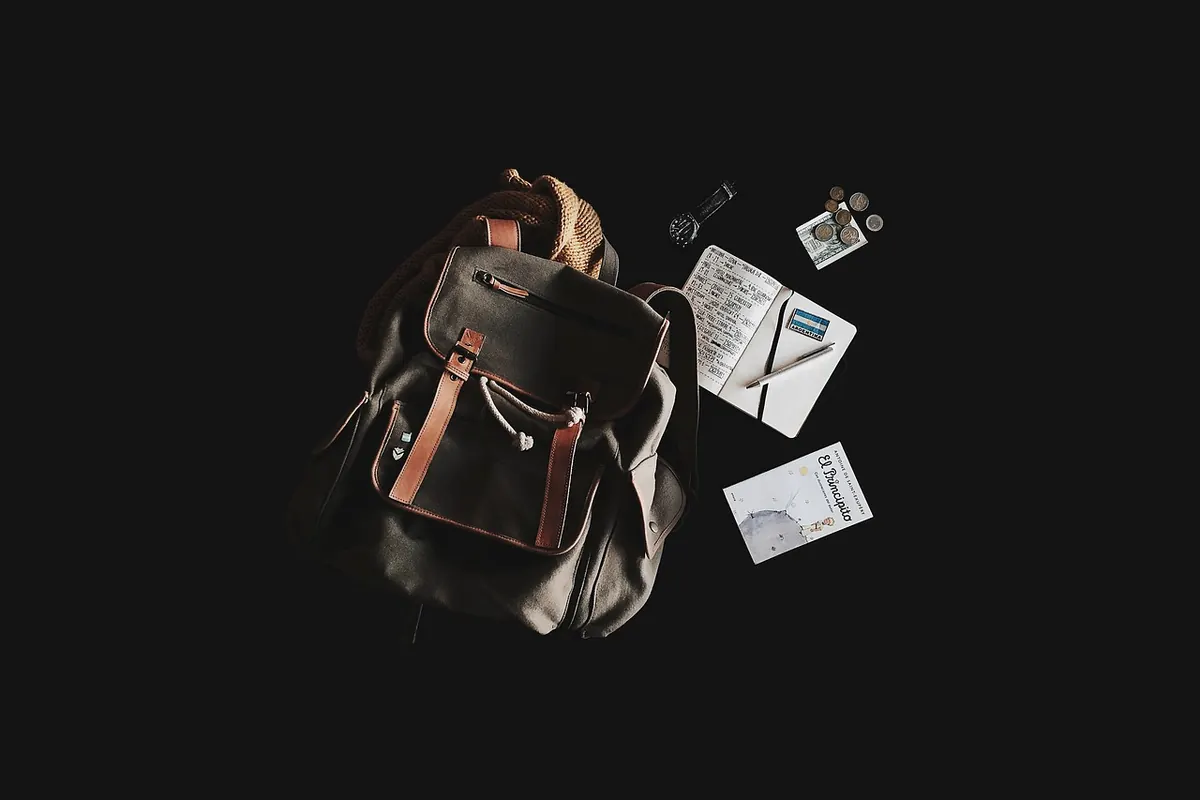
Packing That Follows the Calendar
Packing for the road should track the season too, not just the destination.
- Spring: waterproof jacket and shoes, spare clothes for mud, a microfibre cloth for the windscreen, and insect repellent for roadside stops.
- Summer: more water than you think you need, sun protection, a windscreen sunshade, sunglasses for low evening sun, and a cool bag for food.
- Fall: layers, a warm hat and gloves, an extra torch, and a small bag of grit or sand if you drive rural lanes.
- Winter: blanket, spare warm layers, gloves, boots, ice scraper, small shovel, jump leads, high-energy snacks, and a phone power bank kept somewhere warm.
Build a Two-Minute Seasonal Routine
Before any trip that takes you more than an hour from home, walk around the car. Look at the tires, check that every light works, clear the glass and mirrors properly, and confirm the washer bottle is full. Then check the forecast for the route, not just your starting point, because weather on a pass or a coastal road can be entirely different from what is happening in your driveway.
Finally, match your departure time to the season. In summer, an early start buys you cool air and empty roads. In winter, it buys you daylight, which is worth more than any gadget on the dashboard. Small adjustments made before you turn the key are the ones that keep a good drive good.
Photo: Anca / Pexels